Goofy Ahh AI Generated Images Meaning Style Better Ideas 2026
Goofy ahh AI generated images are deliberately strange, awkward, or absurd pictures made to get a laugh. They borrow the tone of “goofy ahh,” an internet slang phrase used to tease something that looks silly, low-budget, offbeat, or wildly out of place. The point is usually not realism or beauty. It is the unexpected combination: a serious-looking scene with an absurd subject, a familiar object with impossible features, or a character behaving with total nonsense logic.
What does Goofy Ahh AI Generated Images mean?
Goofy ahh is a softened, meme-style version of goofy ass. People use it online to describe a person, object, image, sound, or situation that seems ridiculous or laughably strange. Depending on context, it can be light teasing, affectionate mockery, or a blunt insult.
In image captions, the phrase often signals that the viewer should not take the picture seriously. For example, a picture of a pigeon wearing a business suit and presenting a quarterly report might be called “goofy ahh corporate pigeon.” The humor comes from treating an obviously silly idea as though it were normal.
Why goofy ahh AI generated images are funny
Absurd images often create humor through incongruity: two things that do not belong together appear in the same scene. A medieval knight ordering fast food, a refrigerator attending school, or a highly dramatic portrait of a potato can all feel funny because the scene breaks ordinary expectations.
Image generators can support this style because they can quickly combine subjects, settings, moods, and art directions. The result may be polished, messy, uncanny, or unexpectedly literal. Each outcome can be useful when the goal is internet humor.
The main ingredients of the style
- An ordinary reference point: a classroom, family photo, product ad, news report, sports broadcast, or movie poster.
- One strong absurd change: replace the expected subject with a frog, appliance, giant baby, fictional creature, or impossible hybrid.
- A serious presentation: formal lighting, dramatic framing, documentary language, or a deadpan caption makes the contrast sharper.
- Specific details: a name tag, receipt, tiny hat, broken chair, snack bag, or background sign can sell the joke.
- Controlled chaos: too many unrelated ideas can make an image hard to read. One central joke is usually stronger.
Common types of absurd image humor
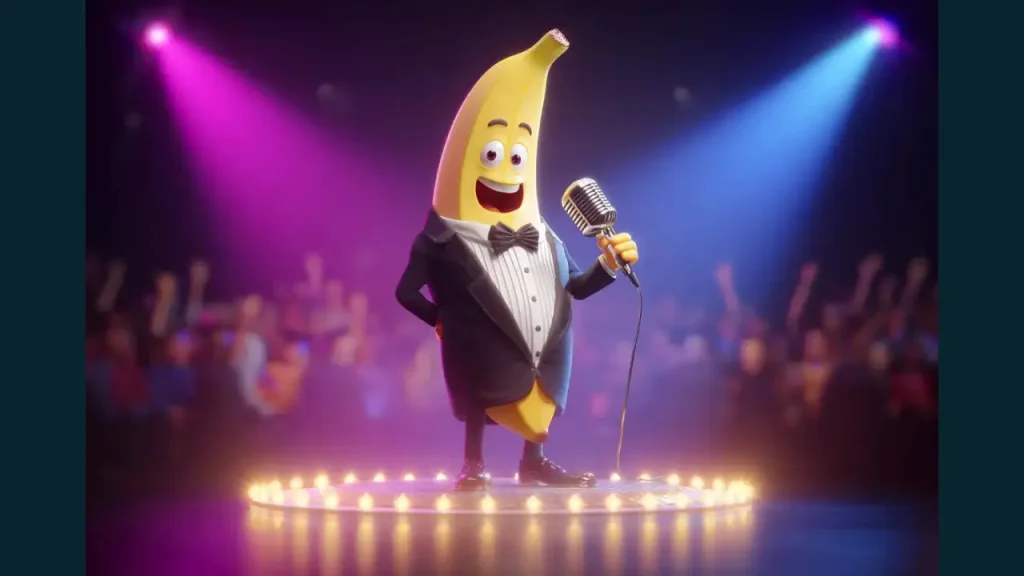
The goofy ahh label covers more than one visual style. Knowing the difference helps when planning an image or choosing a caption.
| Type | What makes it funny | Example concept |
|---|---|---|
| Deadpan realism | An impossible event is shown like an ordinary photograph. | A raccoon calmly working at a dentist’s office. |
| Bad product ad | A useless or bizarre item is marketed with complete confidence. | A luxury toaster designed for one grape. |
| Creature mashup | Familiar things are combined into a strange new subject. | A hamster-shaped city bus at a bus stop. |
| Epic nonsense | Grand fantasy or action-movie treatment is given to a trivial event. | A heroic battle over the last slice of pizza. |
| Uncanny everyday scene | Most of the image looks normal, but one detail is deeply wrong. | A school portrait where every student is a lamp. |
| Surreal mascot | A cheerful character does something oddly specific or unsuitable. | A smiling mascot auditing a parking lot at midnight. |
Funny image concept
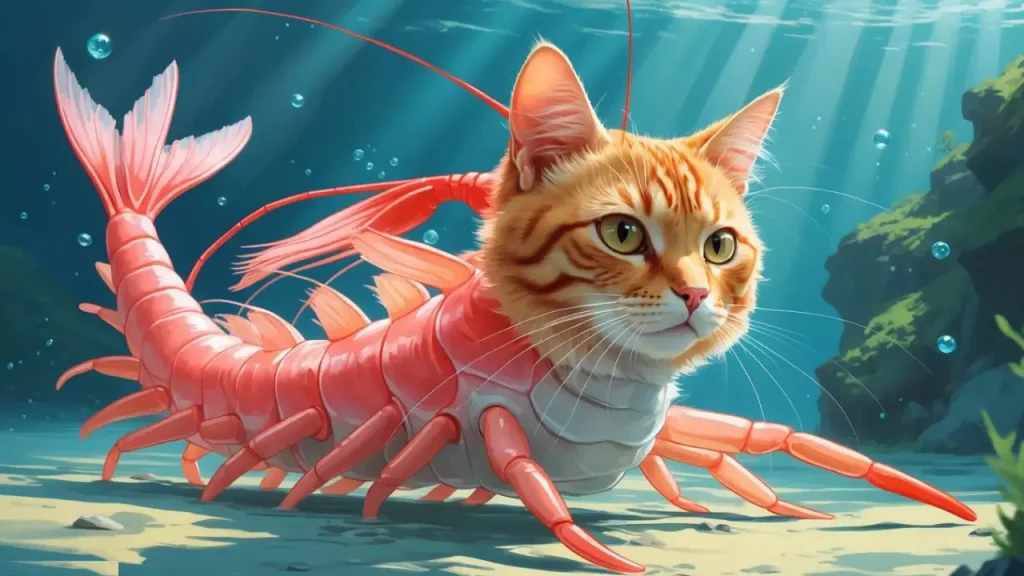
A good absurd image starts with a simple premise that a viewer can understand in seconds. Begin with the setting, decide what does not belong in it, then add a visual tone that makes the mismatch funnier.
- Pick a recognizable scenario. School photos, office meetings, cooking shows, airport security, award ceremonies, and wildlife documentaries are easy to read at a glance.
- Add one clear contradiction. Put a tiny creature in charge of something serious, make a household object act like a person, or give a mundane task an epic scale.
- Choose the mood. “Photorealistic,” “cheap local commercial,” “dramatic movie still,” “children’s book illustration,” and “security-camera footage” all change the joke.
- Include two or three supporting details. Details should reinforce the premise, not compete with it. A lanyard and a clipboard may be enough for an office-worker animal.
- Keep the composition readable. State the subject, action, location, and camera view. A close-up works for facial absurdity; a wide shot helps an impossible setting land.
- Revise the weakest part. If a result is almost funny but unclear, simplify the description or make the central contrast more explicit.
Prompt patterns
Clear descriptions usually give better control than a long pile of random adjectives. A practical pattern is: subject + absurd action + setting + visual style + framing + key details.
For example: “A serious office portrait of a raccoon wearing a wrinkled shirt and employee badge, seated at a cubicle, holding a tiny coffee cup, realistic corporate photography, neutral background, centered composition.” The funny idea is clear before the style details appear.
Here are adaptable concepts rather than fixed formulas:
- A solemn historical painting of a pigeon receiving a parking ticket.
- A late-night cooking-show set where a wizard carefully reviews instant noodles.
- A tiny dragon working as a customer-service representative, headset and keyboard included.
- A wildlife documentary frame showing a loaf of bread migrating across a supermarket floor.
- A luxury fashion editorial featuring a frog in oversized rain boots at a bus station.
- A serious courtroom-style sketch of a banana arguing with a vending machine.
For a more chaotic result, add an odd but related prop. For a cleaner joke, remove extra props and let the main subject do the work.
Use captions
A caption can make a strange image feel like a meme, but it should not repeat everything visible. The strongest captions add a second layer: a fake explanation, a serious reaction, or a short line that frames the image as an everyday problem.
Deadpan captions often work well. A picture of a medieval knight waiting beside a drive-through window might be paired with Bro thinks the quest starts after 10 p.m. A caption that says only funny knight gives the viewer less to engage with.
Keep captions short enough for the image to remain the main event. If the joke needs a paragraph of explanation, the visual premise may need to be simpler.
What can make the image less effective?
Randomness alone is not always funny. Images can miss when the subject is unclear, the scene has no recognizable logic, or visual details pull attention in too many directions. A joke does not need to be realistic, but it benefits from an internal rule.
- Too many competing subjects: Choose one lead character or object.
- Vague action: Give the subject something specific to do, such as filing paperwork, accepting an award, or waiting for a train.
- A mismatched style: A dramatic concept may need cinematic lighting, while a fake product ad may work better with bright, awkward studio lighting.
- Unreadable text: Do not rely on text inside the picture for the punchline. Add readable wording later with an editor if it is essential.
- Overly familiar jokes: A small twist can refresh a common premise. Instead of an animal in an office, make it the office’s overly serious compliance manager.
Sharing absurd images
Comedy does not remove the need for context. Clearly label altered or synthetic images when viewers could mistake them for a real event, real news photo, or authentic record. This matters most when the image depicts public events, emergencies, identifiable people, or subjects that could cause harm if misunderstood.
Avoid using someone’s likeness to create humiliating, deceptive, sexual, or harassing material. Be especially careful with images of children and private individuals. Also consider the rules of the platform where you plan to post, since communities and services may restrict impersonation, harassment, or misleading media.
Parody is usually clearest when the impossible premise is obvious: a talking appliance on a campaign stage is less likely to be mistaken for reality than a convincing altered image of a real person in a real-looking situation.
Frequently Asked Questions
Are goofy ahh images meant to look realistic?
Not necessarily. Some use realism to make an impossible scene funnier, while others intentionally look awkward, cartoonish, or low-quality. The shared feature is absurd humor, not one visual standard.
Why does a serious style make a silly idea funnier?
Serious lighting, formal poses, and documentary-like framing create a contrast with the ridiculous subject. That contrast makes the image feel more unexpected.
How can I make an absurd image feel less random?
Start with one recognizable setting and one contradiction. Then add only details that support the same joke. A simple, readable premise is usually more memorable than a crowded scene.
Can I use images of real people for a joke?
Use care. A joke can become misleading or harmful when it makes a real person appear to do or say something they did not do. Fictional characters, invented subjects, and clearly impossible scenes are safer choices for casual humor.
What is the difference between surreal and goofy ahh humor?
Surrealism is a broad creative approach built around dreamlike or illogical combinations. Goofy ahh humor is a casual meme label for something silly. An image can be both, but a surreal image does not have to be a joke.
A simple rule for making the joke land
The best goofy ahh AI generated images make one weird idea instantly understandable, then support it with a fitting visual style and a restrained caption. Treat the absurd premise seriously, add a few purposeful details, and keep the image clearly fictional when realism could mislead. That balance turns random weirdness into a joke people can recognize and share.