
Search Visibility Vs. Real Conversions: What Google PPC Advertisers Should Know
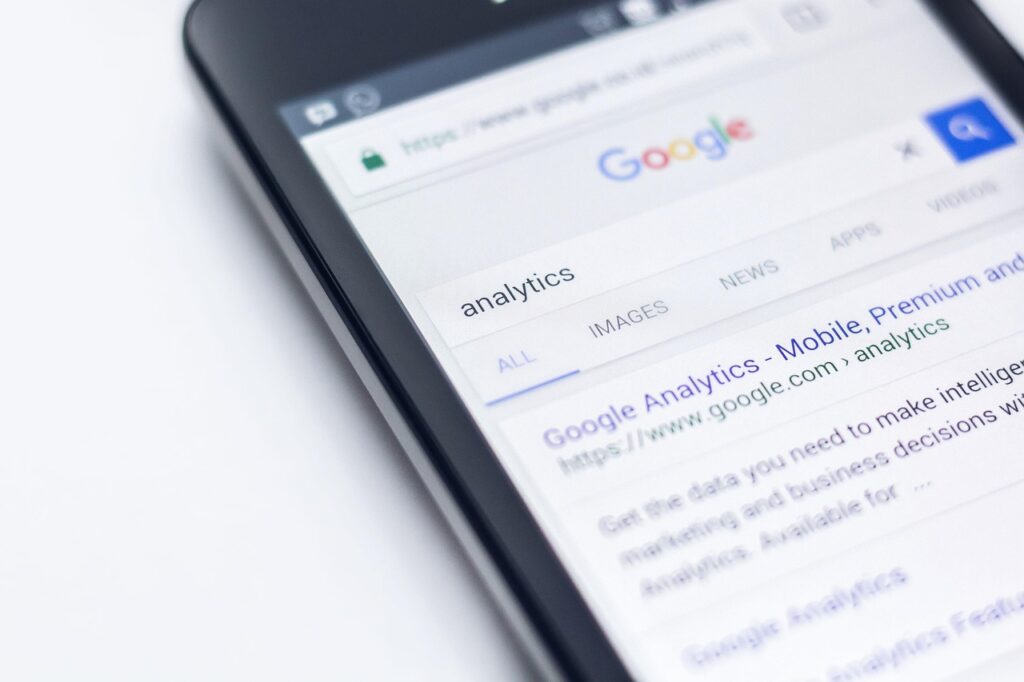
Online advertising is becoming a crucial component of corporate expansion, particularly for firms trying to draw clients via search engines. Being at the top of search results may boost exposure, but it doesn’t always ensure significant commercial gains. Without taking into account whether such interactions result in real conversions, many marketers place a great deal of emphasis on impressions and clicks.
Developing a successful advertising plan requires an understanding of the distinction between search exposure and actual conversions. Companies that use Google PPC ads need to focus on drawing in customers who are really interested in their goods or services rather than just traffic figures.
Recognizing The Distinction Between Conversions And Visibility
The frequency with which an advertisement shows up when people search for relevant goods, services, or information is known as search visibility. Increased exposure may present companies to prospective clients and raise brand recognition. But being prominently shown in search results is only the start of the client journey.
Conversions happen when users finish a desired activity, including making a purchase, sending an inquiry, making an appointment, or asking for further details. Because they link campaign activities to corporate goals, these acts provide a more accurate measure of advertising performance.
Even while a campaign generates a lot of traffic, it can not create any useful leads. This often occurs when ads attract customers whose goals conflict with the company’s offerings.
Why Search Intent Is More Important Than Traffic Volume
One of the most crucial elements of effective paid advertising is understanding search intent. Search engines are used by people for a variety of reasons. While some are evaluating alternatives or getting ready to make a purchase, others are looking for basic information.
Broad search term-focused advertisements may get a lot of attention, but they also draw visitors who aren’t prepared to act. Businesses may reach audiences that are actively looking for relevant solutions by using more targeted keywords.
For instance, someone looking for a professional installation service may have different goals than someone looking for general home renovation ideas. Advertisers may create ads that more closely align with consumer expectations by acknowledging these variations.
The Significance Of Relevance On Landing Pages
Even if an advertisement is effective in drawing in viewers, the landing page controls what occurs after the click. Visitors may decide not to continue browsing a page if it does not live up to their expectations.
Consistency between advertising messaging and website content is maintained by effective landing pages. Visitors should know right away what the company has to offer and how to proceed.
The whole experience may be enhanced with clear headers, pertinent information, easily accessible contact information, and direct calls to action. Because technological issues might deter prospective clients, businesses should also take mobile usability and site loading speed into account.
Using Conversion Goals To Manage Advertising Budgets
Instead of just maximizing visibility, advertising dollars should serve quantifiable business goals. Companies that spend money on Google PPC ads must assess if their expenditures draw in prospective clients who are likely to make a purchase.
Analyzing keyword performance, spotting irrelevant searches, and modifying ads in response to significant consumer actions are all helpful strategies. Advertisements for searches unrelated to the target audience may be avoided with the use of negative keywords.
Additionally, advertisers should carefully consider their bidding choices. Investing more in prominence may not always translate into greater outcomes. Advertising expenses must be balanced with the caliber of possibilities created for a campaign to be effective.
Reasons To Pay More Attention To Conversion Tracking
Advertisers may find it difficult to determine which advertisements lead to company growth in the absence of trustworthy conversion monitoring. Clicks indicate that an advertisement was engaged with, but they don’t tell us anything about what occurred next.
Businesses may identify effective marketing aspects by tracking inquiries, sales, bookings, and other key activities. Additionally, it facilitates superior choices about landing page enhancements, advertising messaging, and keywords.
But not all documented conversions are equally valuable results. When assessing performance, advertisers should make a distinction between genuine commercial possibilities and casual encounters.
Conclusion
Chances are created by search exposure, but whether or not those chances provide company value depends on actual conversions. Advertisers may make better advertising selections if they give priority to appropriate search intent, helpful landing sites, careful budget management, and precise conversion monitoring.
You may also like: Goofy Ahh Uncle GIF Meaning Uses and How to Find One 2026
Businesses may create advertising strategies that promote sustained development and higher returns on their marketing spending by focusing on meaningful client behaviors rather than just clicks.