
Labradoodle Temperament: What Owners Should Know
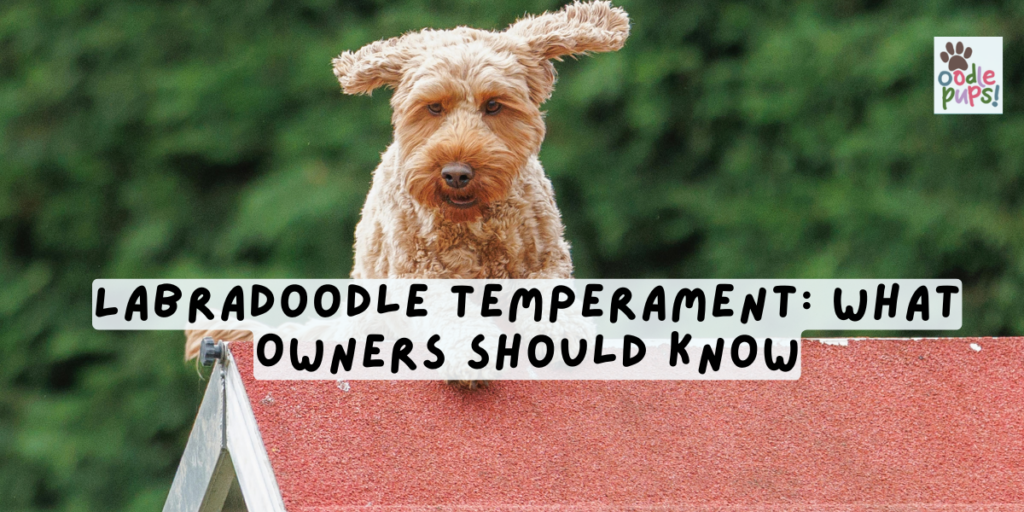
Labradoodle temperament is generally friendly, loyal, and people-oriented. You’ll notice it early on, too.
Most labradoodle puppies want to be near you constantly, whether you’re on the couch or out in the yard. But that doesn’t mean every labradoodle is exactly the same. A lot comes down to breeding, consistent training, and how they’re raised from a young age.
At OodlePups, we’ve learned this firsthand through our own dogs, Pip and Rosie, as well as the families we work with. So below, we’re covering the key breed traits, training needs, health issues, and what to think about before bringing a labradoodle puppy home.
What Is the Labradoodle Temperament Really Like?
Labradoodles are friendly, social, and genuinely eager to please. That combination is a big part of why they bond with family members so quickly. Most labradoodle puppies will want to be involved in everything you do (and yes, they will follow you from room to room).

They also tend to get along well with other dogs, even scoring lower in aggression and stranger-directed fear than many other dog breeds.
But that social side comes with a catch. Since labradoodles love people so much, they can develop separation anxiety when left alone for too long. If your labradoodle puppy starts pacing, barking, or showing destructive behaviour during very short absences, that’s usually the first sign.
Energy levels also vary depending on the generation and parent breeds. Some labradoodles are calm and happy with a moderate walk, while others need a solid 60 minutes of physical exercise and mental stimulation every day.
Pip and Rosie are a good example of this. Pip has more energy and needs a longer run, but Rosie is happy with a walk and some backyard play.
Breed Traits and Standards: What Makes Australian Labradoodles Great Family Dogs
One of the biggest advantages of Australian labradoodles is how predictable their temperament and coat type can be. Because they come from multi-generational breeding programs, you get a much clearer picture of what to expect in terms of labradoodle personality, size, and energy.
Now, let’s look at the specific breed traits that make them stand out as family dogs.
Around Kids and Other Pets
Australian labradoodles are gentle and patient with younger children, which is one of the reasons they’re considered a great family dog. They read the energy in a room well and tend to adjust, calming down around young kids and ramping up during playtime with other pets.
One family we placed a puppy with had two toddlers and a cat. Within a week, their labradoodle puppy had figured out how to play gently with the kids and completely ignore the cat during nap time.
Breed Standards and What They Mean
The Australian Labradoodle Association describes the breed’s temperament as sociable, joyful, and intuitive. That intuitive part is worth paying attention to, since these dogs often pick up on how their family members are feeling and respond to it.
It’s one of the reasons labradoodles are also used as therapy dogs. Breed standards also cover coat type, and most Australian labradoodles carry a non-shedding, low-shedding coat, which is a big plus for allergy sufferers.
Why Consistent Training Matters for This Breed
Labradoodles are intelligent dogs that inherit much of their smarts from the Poodle side, so they pick up commands fast. The flip side is that they also pick up bad habits just as quickly.
Here are a few labradoodle training tips that will help you stay ahead of it.
- Positive reinforcement first: Labradoodle puppies respond well to praise, treats, and repetition. They’re sensitive to tone, so harsh corrections usually backfire and can lead to problem behaviour or anxiety. Stick with reward-based labradoodle training, and you’ll see results within the first few weeks.
- Mental stimulation alongside physical exercise: A tired labradoodle is a well-behaved dog, but physical exercise alone won’t cut it. Add puzzle toys, crate training, and short training sessions throughout the day to keep their brain working. This is what separates energetic dogs that listen from ones that chew your furniture (we’ve all seen how that ends).
- Catch bad habits early: Here’s the thing, though. Without a proper training routine, all that enthusiasm turns into jumping, pulling on the lead, or resource guarding. If your labradoodle puppy starts showing destructive behavior, don’t wait. Work with a dog trainer to address it before it becomes a pattern.
A good rule of thumb is to keep labradoodle training sessions short, fun, and regular. Even 10 minutes a day of positive reinforcement adds up over time.
Once training is part of the routine, the next thing worth knowing about is their health.
Health Issues Dog Owners Should Know About
Like all dog breeds, labradoodles can be prone to certain health issues. The most common ones include hip dysplasia, eye conditions, ear infections, and skin allergies (that last one catches a lot of new owners off guard).
Labradoodles with floppy ears are especially prone to moisture buildup, so checking your dog’s eyes and ears regularly is a good habit to start early.
Thankfully, most of these are preventable when you work with reputable breeders who screen their dogs before breeding. Both Pip and Rosie go through full health screening before any litter, and it’s one of the first things we’d suggest asking a responsible breeder about.
Puppy mills, unfortunately, skip this step almost entirely. Which is why so many of those puppies end up with behavior issues and long-term health problems down the line.
What’s more, you need to keep your labradoodle at a healthy weight, especially for preventing hip dysplasia. Regular vet visits, a balanced diet, and enough physical exercise will help your dog stay comfortable as they age.
Most dogs show early signs of joint or eye issues between the ages of two and five, so don’t skip those annual checkups. Also, you need to take care of the dog’s grooming conditions.
Is the Labradoodle Breed the Right Fit for Your Family?
Now that you know what to expect from their personality, energy, and health, the big question is whether a labradoodle fits your lifestyle. These are wonderful dogs, but they do best with active families who can give them daily attention and interaction.

If you have family members home during the day, that’s even better, because labradoodles love company and don’t do well with long stretches alone.
Choosing the right breeder also sets your puppy up for a stronger start. So, look for labradoodle breeders who test parent dogs for hip dysplasia, eye conditions, and temperament before breeding.
A well-bred labradoodle puppy from health-tested parents is far less likely to develop the behavioural issues or health problems that come from cutting corners.
Common Labradoodle FAQs
- Are labradoodles good with first-time dog owners?
Yes. Labradoodles are patient, eager to please, and respond well to positive reinforcement. That makes them a great fit for first-time pet parents.
However, starting with a dog trainer for the first few months can help you build good habits together from the beginning.
- Do labradoodles bark a lot?
Most labradoodles aren’t heavy barkers, but they will alert bark when someone comes to the door. If barking becomes excessive, it usually points to boredom or separation anxiety.
- How much exercise does a labradoodle need?
Most labradoodles need around 60 minutes of physical exercise each day. A mix of walks, off-lead play, and puzzle toys works well.